Cost Guide
Is It Better to Renovate or Rebuild in Connecticut in 2026?
-
Jim Casali, Jr.
Introduction
In many parts of Connecticut — especially Fairfield County and Litchfield County — homeowners are living in properties that are 50, 75, or even 100+ years old. While these homes often have charm and character, they can also come with outdated layouts, aging systems, and structural limitations.
If you’re facing significant updates, the question naturally becomes:
Is it better to renovate… or start fresh with a rebuild?
In 2026, the answer depends on several key factors — cost, structure, zoning, long-term goals, and property value.
Understanding the Condition of the Existing Home
The first and most important consideration is structural integrity.
If the foundation, framing, and overall structure are solid, a renovation or large-scale addition may be the smarter path. However, if the home has:
Major foundation issues
Low ceiling heights
Significant water damage
Outdated electrical and plumbing systems throughout
Inefficient layout that’s difficult to reconfigure
…the cost of renovating can quickly approach — or exceed — the cost of rebuilding.
In many older Connecticut homes, once walls are opened, unforeseen issues can add significant expense.
Cost Comparison in 2026
Construction costs in Connecticut remain elevated compared to pre-2020 levels, though they have stabilized in many areas.
Renovation
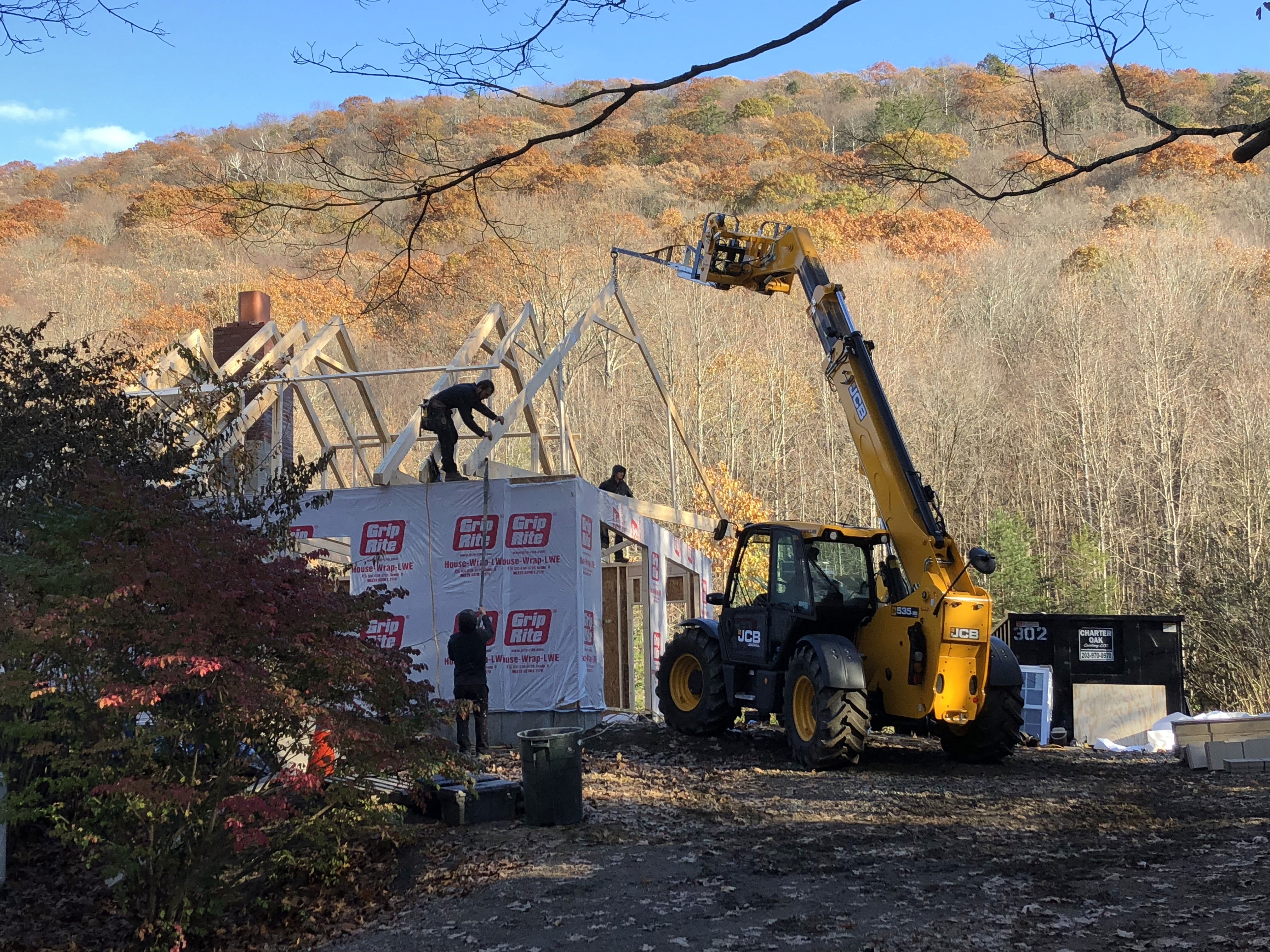
Typically more cost-effective when structural elements remain intact
Costs vary widely depending on scope
Unforeseen conditions can increase budgets mid-project
Rebuild (Tear-Down & New Construction)
Higher upfront cost
Cleaner budgeting and fewer unknowns
Greater long-term efficiency and layout flexibility
While a renovation may appear less expensive initially, a rebuild often delivers greater value per dollar when extensive changes are required.
Zoning and Setback Considerations
This is where Connecticut becomes unique.
In some towns, older homes sit closer to property lines than current zoning allows. If you tear the home down entirely, you may be required to rebuild within modern setback regulations — potentially reducing footprint.
In these cases, renovating or partially rebuilding may preserve “grandfathered” positioning that cannot be replicated with new construction.
Every town handles this differently, so a feasibility review is critical before making decisions.
Long-Term Goals Matter
Ask yourself:
Do you love the location but not the layout?
Are you planning to stay for 20+ years?
Is resale value a major priority?
Do you want complete design freedom?
If your goal is a fully modern, energy-efficient home designed around today’s lifestyle, a rebuild may offer the cleanest path.
If you want to preserve character, maintain footprint advantages, or control budget while upgrading key areas, renovation may be the better route.
Property Value in Connecticut’s Market
In many Connecticut towns, land value represents a significant portion of overall property value. When that’s the case, rebuilding can make strong financial sense — particularly in high-demand areas.
However, in neighborhoods where historical charm or architectural consistency is important, a thoughtful renovation may preserve value more effectively than a new build that feels out of place.
Understanding neighborhood comparables is an important part of the decision.
Renovation vs Rebuild: A Simple Rule of Thumb
While every property is different, many industry professionals use this general guideline:
If renovation costs exceed 50–60% of what a comparable new build would cost, rebuilding becomes worth evaluating seriously.
This is not a hard rule — but it’s a helpful benchmark.
The Most Important First Step
Before deciding, a professional feasibility review should evaluate:
Structural condition
Zoning constraints
Septic capacity
Budget alignment
Long-term goals
Making this decision without understanding those factors can lead to costly missteps.
Final Thoughts
There is no universal answer to whether renovation or rebuilding is “better” in Connecticut in 2026. The right choice depends on your property, your goals, and the local regulations that apply to your town.
For some homeowners, preserving and transforming an existing structure creates the ideal outcome. For others, starting fresh allows complete control over design, efficiency, and long-term value.
What matters most is evaluating the decision strategically — not emotionally.
Considering a renovation or rebuild in Connecticut?
Request a consultation to evaluate your property and explore your options.
Related