Cost Guide
Why Connecticut Homeownership Feels Unaffordable — And How ADUs Offer a Smart Alternative
-
Jim Casali, Jr.
Introduction
For many Connecticut residents, homeownership feels increasingly out of reach. Rising home prices, higher interest rates, limited inventory, and increased construction costs have made it difficult for families to buy, upgrade, or relocate without significant financial strain.
As a result, homeowners are looking for smarter, more flexible ways to create space, generate income, or house family members — without purchasing an entirely new property. One solution gaining momentum across Connecticut is the Accessory Dwelling Unit, commonly known as an ADU.
Why Housing Has Become So Unaffordable in Connecticut
Several factors have contributed to rising home costs throughout the state:
1. Limited Housing Inventory
Connecticut has not built enough new housing to meet demand, especially in desirable towns and suburban areas. Fewer homes on the market naturally push prices higher.
2. Rising Construction Costs
Material prices, skilled labor shortages, and stricter building codes have increased the cost to build new homes — costs that get passed on to buyers.
3. Higher Interest Rates
Even when home prices stabilize, higher interest rates dramatically increase monthly payments, reducing buying power for many families.
4. Desire to Stay Local
Many homeowners want to remain close to family, schools, jobs, and communities — making relocation less appealing, even when space is limited.
Together, these pressures leave homeowners feeling stuck: needing more space or flexibility, but unable to justify the cost of moving.
What Is an ADU?
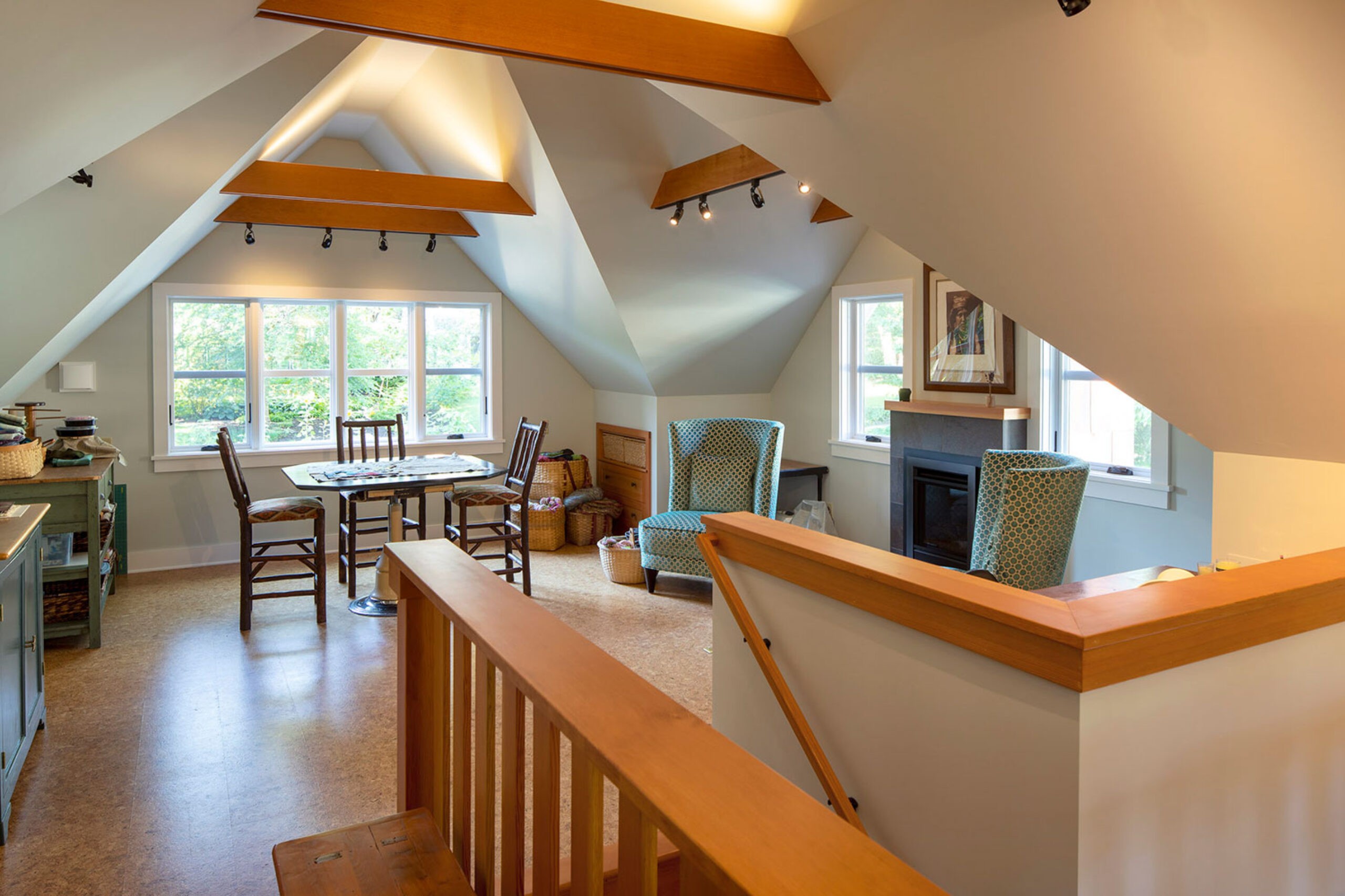
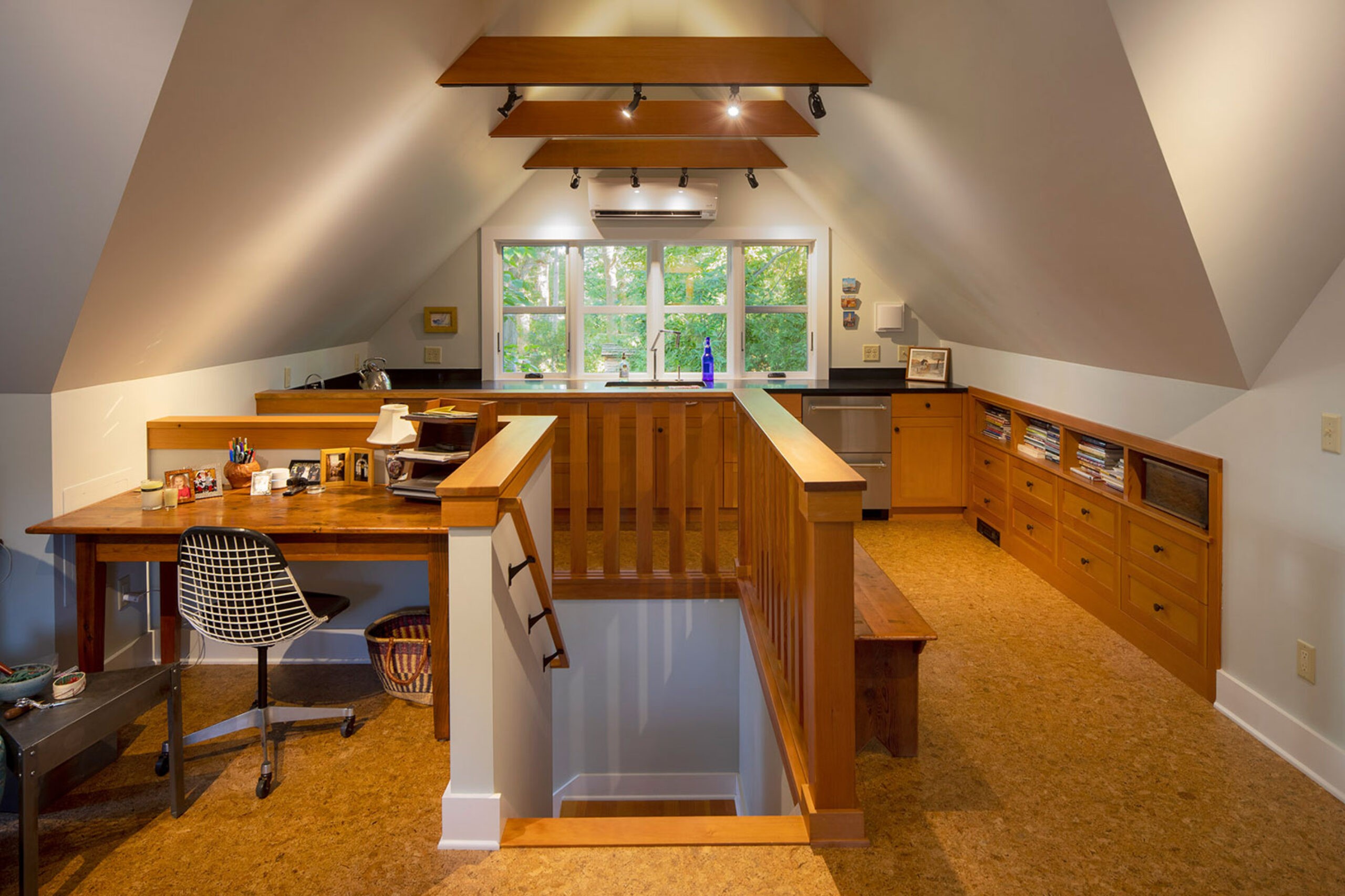
An Accessory Dwelling Unit (ADU) is a smaller, independent living space located on the same property as a primary residence. ADUs can take many forms, including:
Detached backyard cottages
Garage conversions
Basement apartments
Above-garage apartments
Attached additions with separate entrances
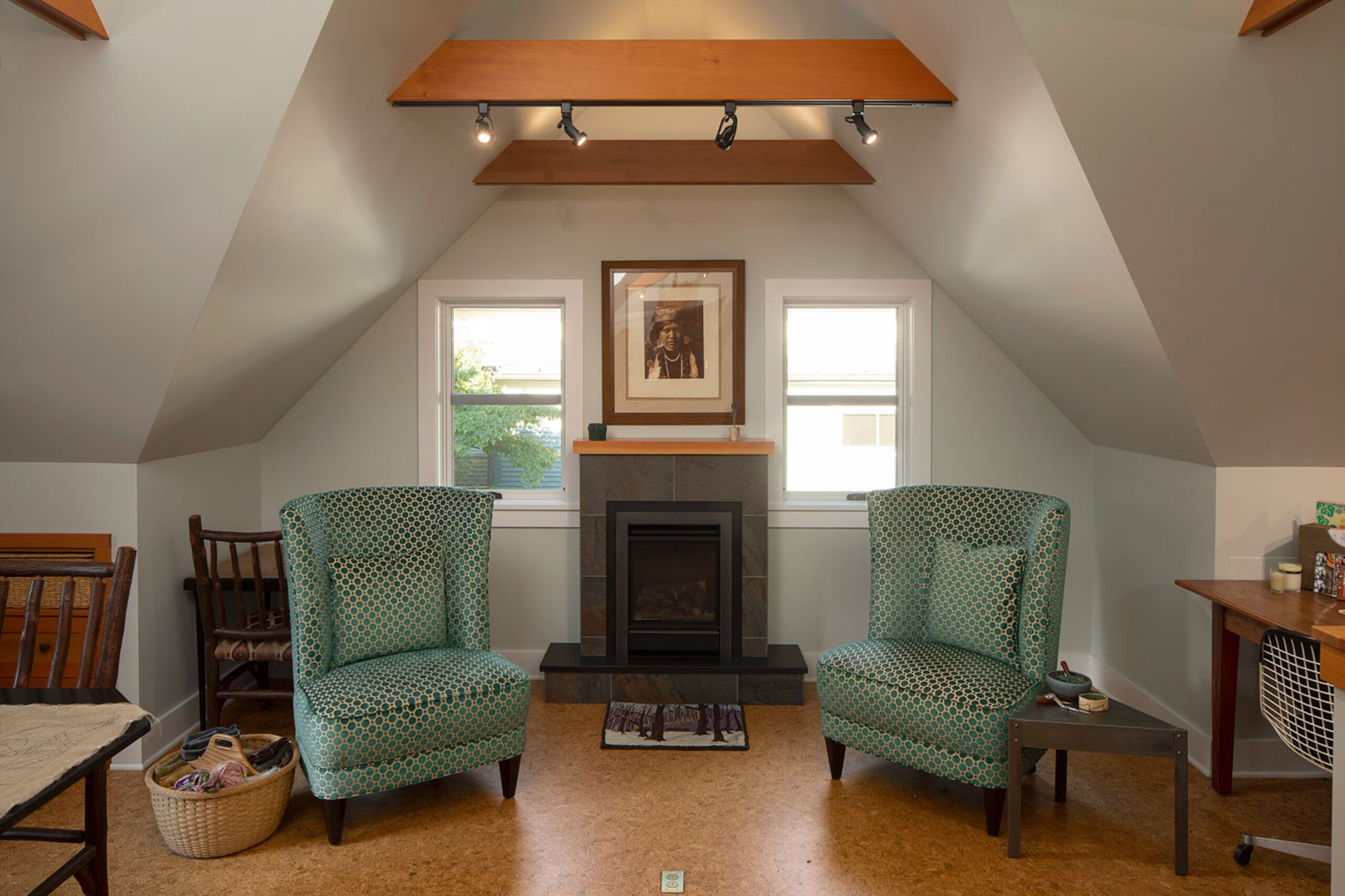
Most ADUs include a kitchen, bathroom, living area, and sleeping space — all designed as a self-contained unit.
Why ADUs Are a Smart Alternative to Buying a New Home
1. Lower Cost Than Purchasing a New Home
While building an ADU is an investment, it is often significantly more affordable than buying another property in today’s market — especially when factoring in closing costs, taxes, and higher interest rates.
2. Multigenerational Living Without Sacrifices
ADUs are ideal for:
Aging parents
Adult children returning home
Long-term guests
They provide privacy and independence while keeping families close — without crowding the main home.
3. Rental Income Potential
Many homeowners use ADUs as:
Long-term rental units
Short-term rentals (where permitted)
This income can help offset mortgage payments, property taxes, or construction costs.
4. Increased Property Value
Well-designed ADUs often add long-term value to a property by:
Increasing livable square footage
Adding flexible-use space
Appealing to future buyers
In many cases, ADUs make a home more versatile and attractive.
5. Aging in Place
For homeowners planning long-term, ADUs allow:
Downsizing into the ADU while renting the main home
Creating a step-free, accessible living space
Remaining on familiar property as needs change
ADUs in Connecticut: What Homeowners Should Know
Connecticut has been actively encouraging ADU development, but regulations vary by town.
Important factors include:
Zoning requirements
Maximum size limitations
Parking requirements
Owner-occupancy rules
Utility connections
Septic or sewer capacity
Some towns are more ADU-friendly than others, making local knowledge and proper planning essential.
Common Misconceptions About ADUs
“ADUs ruin neighborhood character.”
When designed thoughtfully, ADUs blend seamlessly with existing homes and neighborhoods.
“ADUs are only for rentals.”
Many ADUs are built strictly for family use or future flexibility.
“They’re impossible to get approved.”
While permitting takes planning, many Connecticut towns are becoming increasingly receptive.
Is an ADU Right for You?
An ADU may be a great solution if you:
Need more living space but don’t want to move
Want to support family members without overcrowding
Are looking for supplemental income
Want a long-term housing strategy as you age
Own property in a town with supportive zoning
The key is understanding your local regulations, site conditions, and goals before starting.
Conclusion
As housing affordability continues to challenge Connecticut homeowners, ADUs offer a creative, flexible alternative to buying or moving. They provide additional living space, financial flexibility, and long-term value — all while allowing families to stay rooted in the communities they love.
With proper planning, design, and construction, an ADU can be a smart response to today’s housing realities and tomorrow’s needs.
At Casali Companies, we help homeowners explore ADU feasibility, navigate local regulations, and design spaces that are functional, beautiful, and built to last.
Considering an ADU on your property?
Contact Casali Companies to discuss zoning feasibility, design options, and construction planning.
Related