Cost Guide
How Much Does an ADU Cost in Connecticut? A 2026 Pricing Guide
-
Jack Casali
Introduction
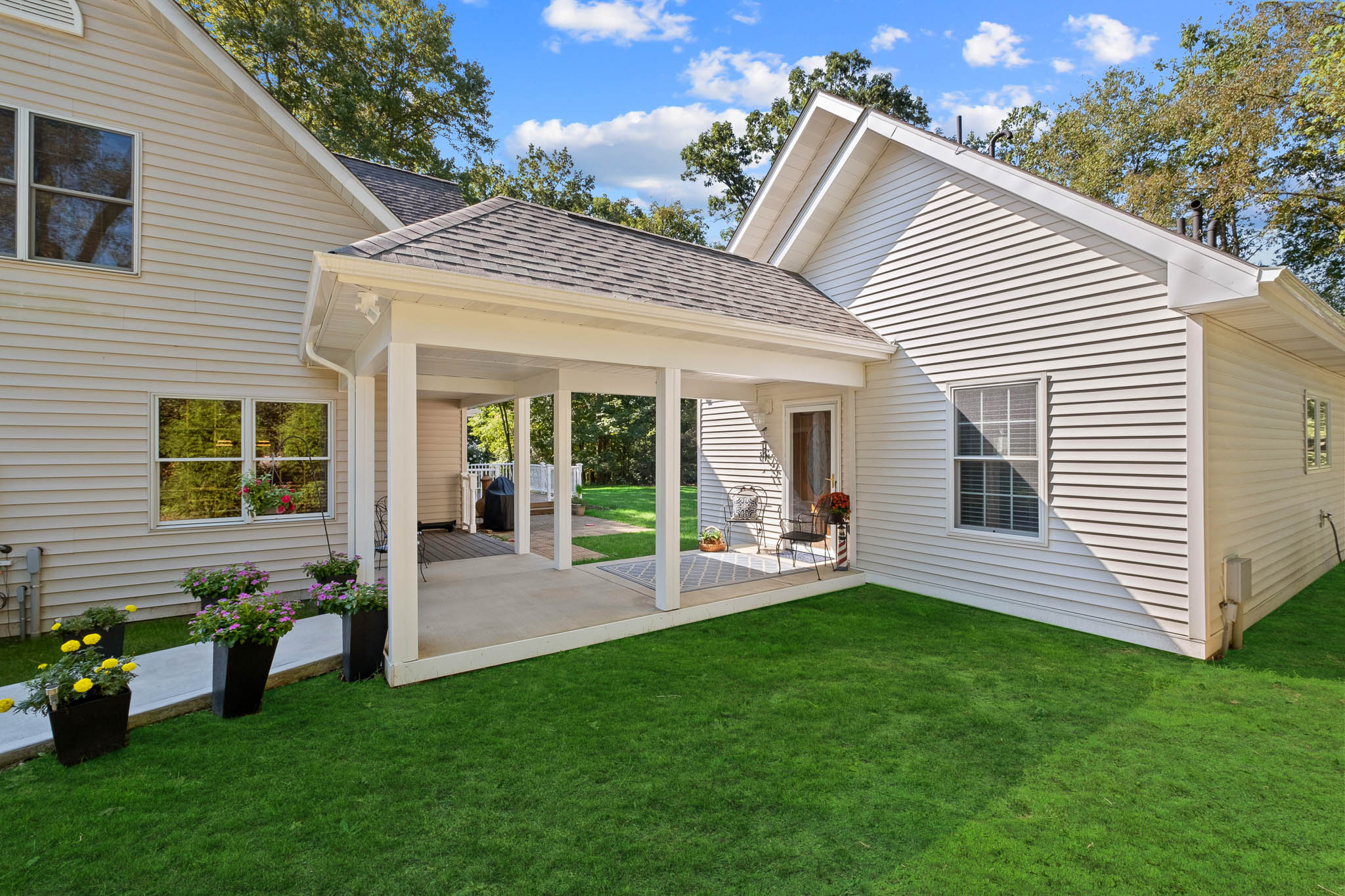
As housing costs continue to rise across Connecticut, more homeowners are turning to Accessory Dwelling Units (ADUs) as a flexible and cost-effective alternative to buying or moving. Whether used for family, rental income, or future downsizing, ADUs offer tremendous value—but understanding the true cost is essential before starting.
In this 2026 pricing guide, we break down what Connecticut homeowners can realistically expect to spend on an ADU, what drives costs up or down, and how to plan wisely for your property and goals.
Average Cost to Build an ADU in Connecticut (2026)
In Connecticut, most ADUs fall into the following ranges:
→ $150,000 – $350,000+
The wide range depends on size, type, finishes, site conditions, and local regulations.
Typical Cost by ADU Type
ADU Type | Estimated Cost Range |
|---|---|
Basement apartment conversion | $100,000 – $200,000 |
Garage conversion | $120,000 – $250,000 |
Attached ADU addition | $180,000 – $300,000+ |
Detached ADU (new structure) | $200,000 – $400,000+ |
On a square-foot basis, ADUs in Connecticut typically cost:
→ $300 – $600+ per square foot
Smaller footprints often mean higher cost per square foot due to fixed expenses like kitchens, bathrooms, utilities, and permitting.
What Drives ADU Costs in Connecticut
1. Type of ADU
Conversions (basements or garages) generally cost less than building a new detached structure—but they may involve structural upgrades, waterproofing, or egress requirements.
Detached ADUs provide maximum flexibility and privacy but require full foundations, framing, roofing, and utility connections.
2. Size & Layout
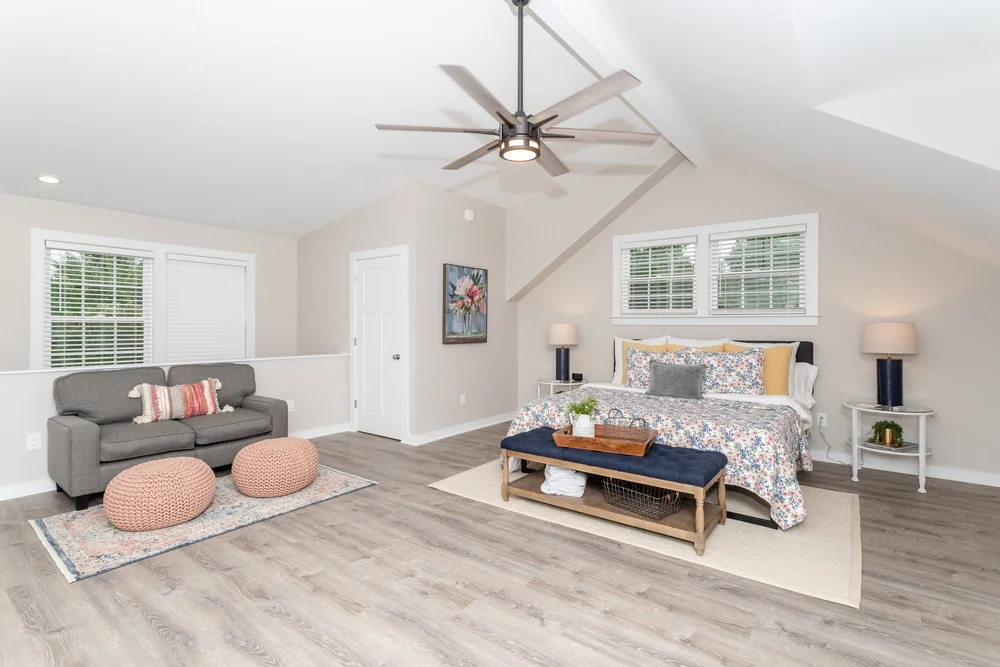
Most Connecticut ADUs range from 400–900 sq ft.
While larger units cost more overall, extremely small ADUs can be surprisingly expensive due to:
Full kitchens and bathrooms
Mechanical systems
Code compliance
Design and permit requirements
3. Site Conditions
Common CT site factors that impact cost:
Sloped lots
Rock ledge
Wetlands or buffer zones
Septic capacity
Long utility runs
Limited access for equipment
Site work alone can add $10,000–$75,000+ depending on complexity.
4. Utilities & Infrastructure
ADUs often require:
New electrical panels or meters
Separate water/sewer or septic approval
New HVAC systems
Fire separation and soundproofing
Utility upgrades are a major cost driver and must be evaluated early.
5. Finishes & Design Level
Finish choices dramatically affect price.
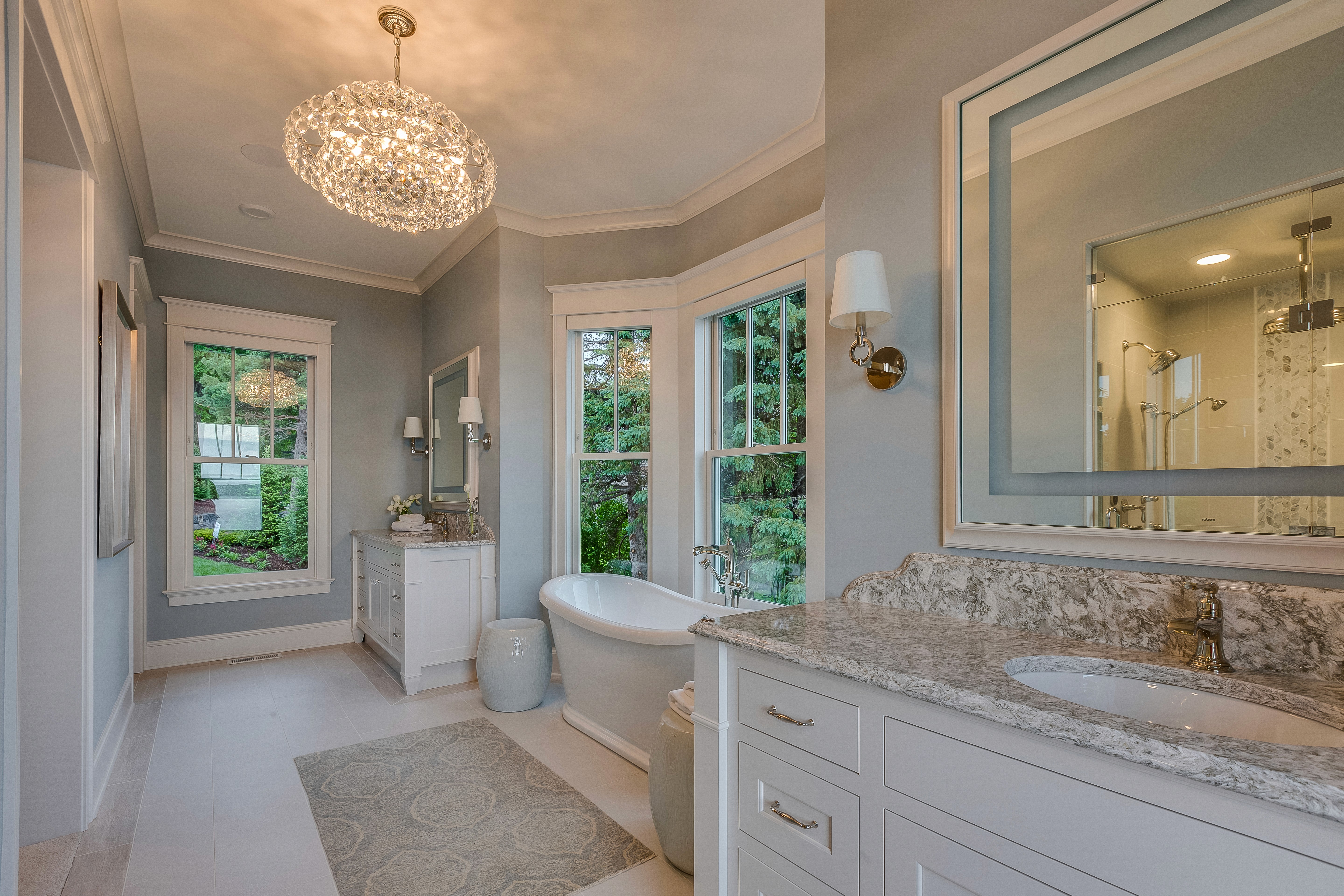
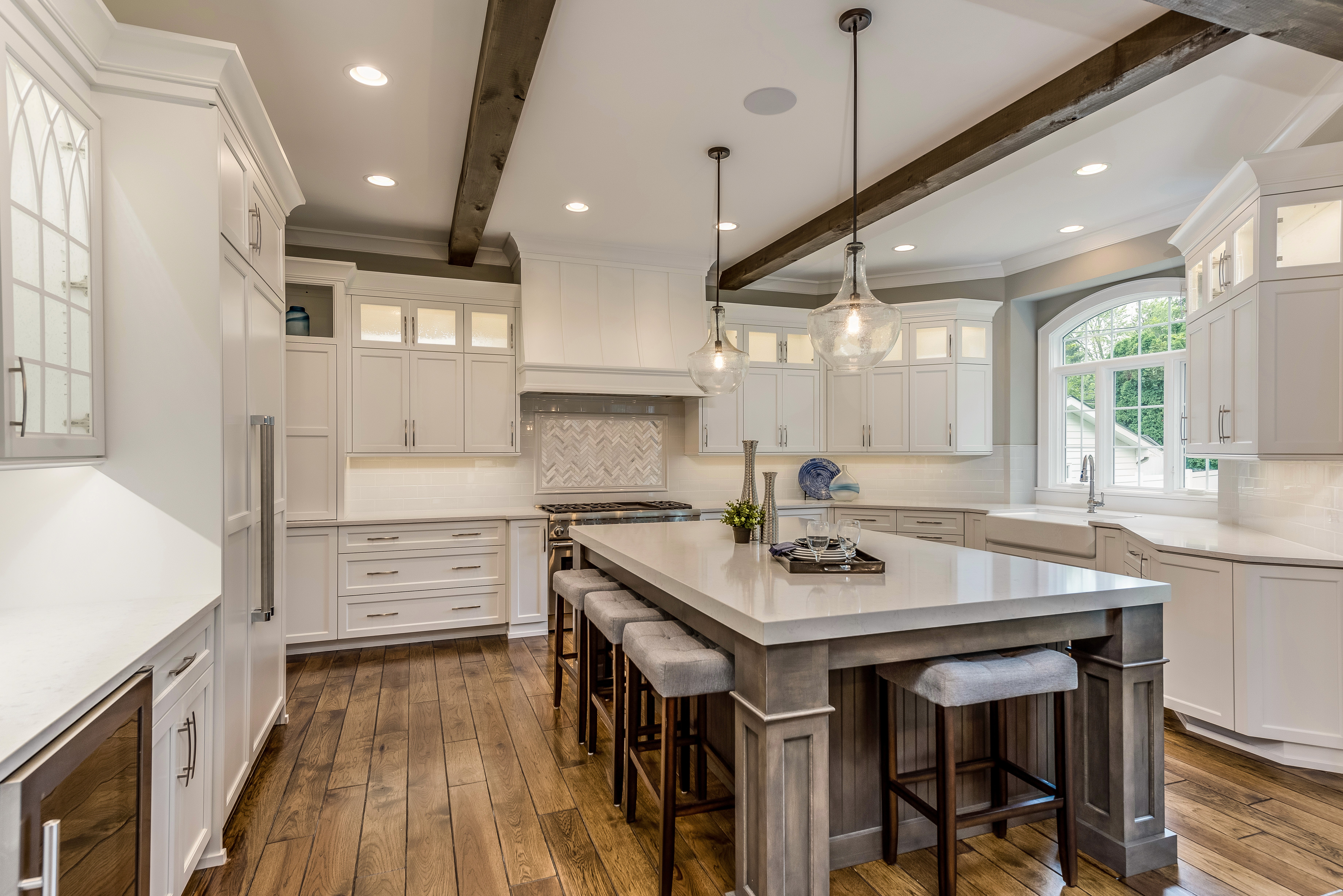
More budget-friendly finishes:
LVP flooring
Stock cabinetry
Standard fixtures
Higher-end ADUs may include:
Custom cabinetry
Tile showers
Built-ins
High-end appliances
Architectural details
6. Permits, Zoning & Engineering
ADUs require:
Zoning approval
Building permits
Energy code compliance
Structural engineering (often)
Fire separation compliance
Permits and professional services typically account for 10–20% of the total project cost.
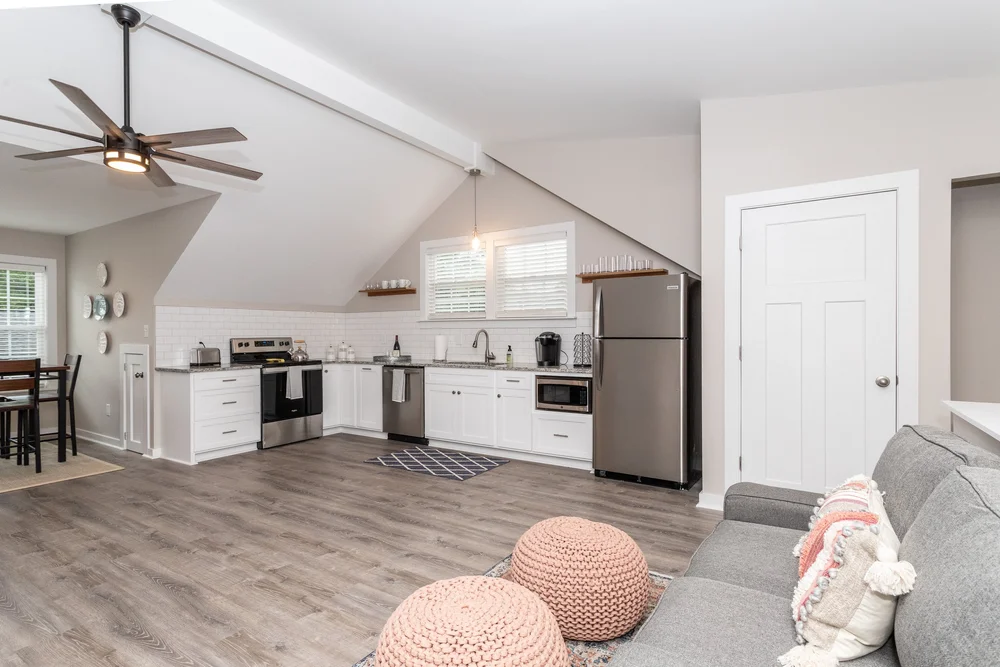
Cost Breakdown: Where the Money Goes
Design, Engineering & Permits:
$15,000 – $40,000
Site Work & Utilities:
$10,000 – $75,000+
Foundation & Framing:
$40,000 – $120,000+
Mechanical Systems (HVAC, Plumbing, Electrical):
$30,000 – $80,000+
Interior Finishes & Fixtures:
$40,000 – $100,000+
Contingency (Recommended):
10–15%
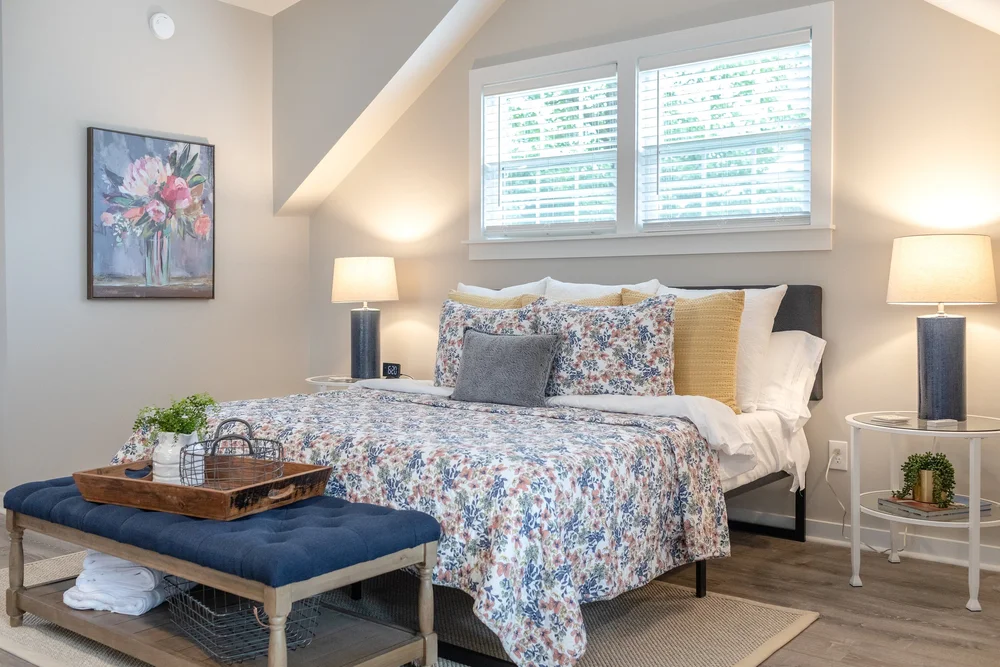
Are ADUs Cheaper Than Buying a Home in Connecticut?
In most cases, yes.
When you factor in:
Rising home prices
Interest rates
Closing costs
Property taxes
Moving expenses
An ADU often represents a lower total investment—especially for:
Housing family members
Generating rental income
Aging in place
Creating long-term flexibility
Do ADUs Increase Property Value?
Well-designed ADUs often:
Increase resale appeal
Add flexible living space
Attract multi-generational buyers
Create income potential
While value varies by town and use, ADUs generally enhance long-term marketability.
Common Mistakes That Increase ADU Costs
✗ Skipping zoning research
✗ Underestimating utility upgrades
✗ Designing before feasibility checks
✗ Overbuilding for the intended use
✗ Not budgeting a contingency
Proper planning can save tens of thousands of dollars.
How to Plan an ADU Budget the Right Way
Confirm zoning & feasibility first
Define how the ADU will be used (family vs rental)
Choose the right ADU type for your property
Set a realistic finish level
Work with a builder experienced in CT ADUs
Conclusion
Accessory Dwelling Units are becoming one of the smartest housing investments for Connecticut homeowners—but costs vary widely based on design, site conditions, and regulations. In 2026, most ADUs range from $150,000 to $350,000+, making them a flexible alternative to buying or moving when done correctly.
With proper planning, an ADU can provide long-term value, flexibility, and peace of mind.
At Casali Companies, we help homeowners evaluate ADU feasibility, navigate local regulations, and design and build high-quality ADUs tailored to their property and goals.
Considering an ADU on your property?
Contact Casali Companies to discuss zoning feasibility, design options, and construction planning.
Related