Cost Guide
How Much Does a Bathroom Remodel Cost in Connecticut in 2026?
-
Meghan Casali
How Much Does a Bathroom Remodel Cost in Connecticut in 2026?
Bathroom remodels can improve everyday comfort, solve persistent layout or storage problems, and add lasting value to a Connecticut home. They can also vary dramatically in price.
A straightforward guest bathroom with the same basic layout is very different from a custom primary suite involving structural changes, extensive tilework, relocated plumbing, and luxury fixtures. The age and condition of the home can create additional differences, particularly when outdated wiring, plumbing, ventilation, or water damage is discovered.
For preliminary planning, Connecticut homeowners can use the following broad ranges:
Project Level | Preliminary Budget Range |
|---|---|
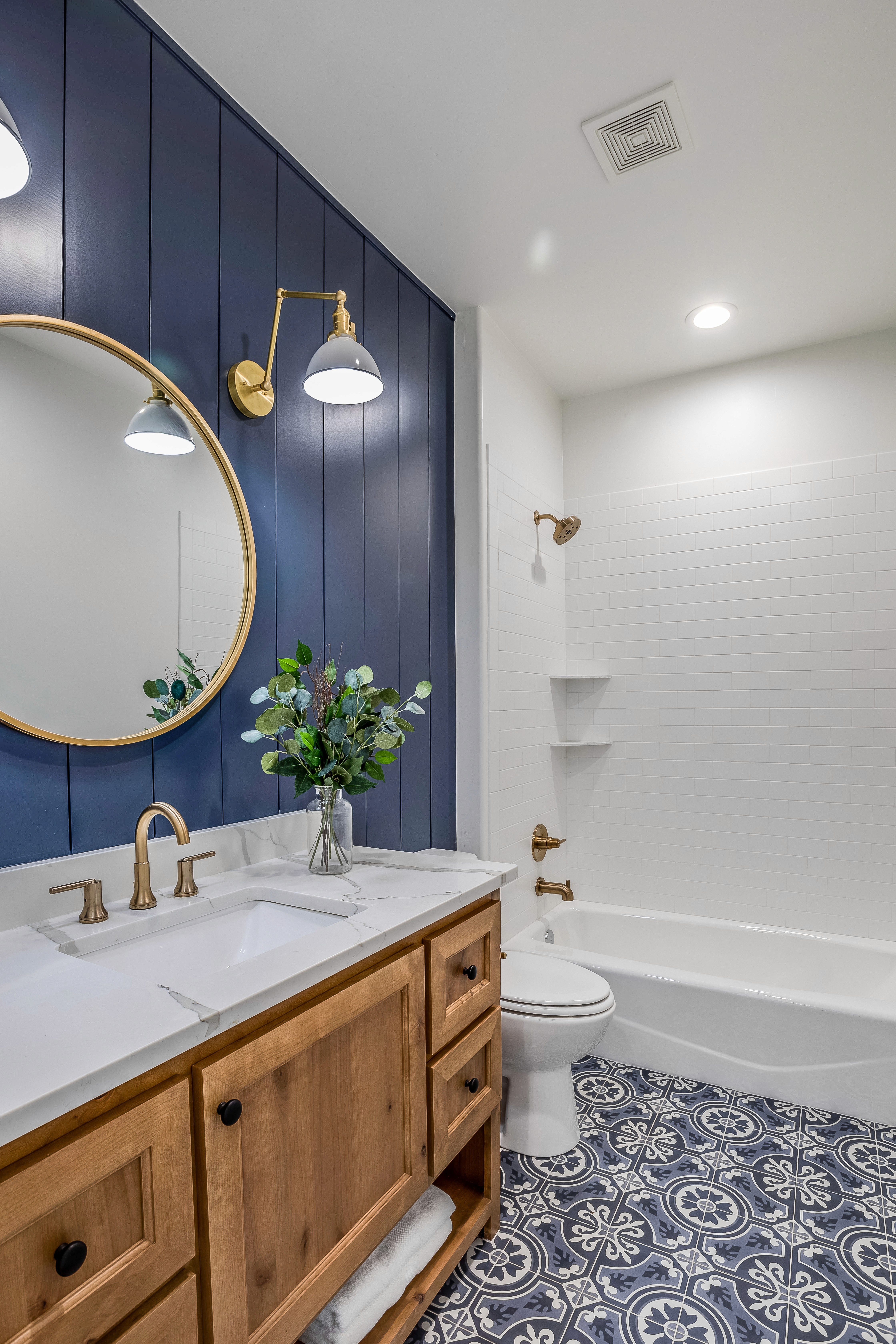
Cosmetic bathroom update | $8,000–$18,000 |
Standard full bathroom remodel | $20,000–$45,000 |
Primary bathroom renovation | $35,000–$75,000+ |
High-end custom bathroom | $75,000–$125,000+ |
These are planning ranges rather than fixed prices. The final cost depends on the room’s size, existing condition, layout, material selections, mechanical work, and level of customization.
What Is Included in a Cosmetic Bathroom Update?
A cosmetic update improves the room without completely changing its layout or rebuilding everything behind the walls.
It may include:
A new vanity and countertop
Updated plumbing fixtures
A new toilet
Fresh paint or wallpaper
New mirrors and lighting
Updated cabinet hardware
Limited flooring or tile replacement
This approach can make sense when the room functions properly, the underlying systems are in good condition, and the primary goal is to refresh its appearance.
Once the project involves a new shower, full demolition, plumbing relocation, waterproofing, or extensive tilework, it generally moves beyond a cosmetic update.
Standard Full Bathroom Remodel: $20,000–$45,000
A full remodel usually involves removing most or all existing finishes and rebuilding the bathroom with new materials.
A typical scope may include:
Demolition and disposal
New tub or shower
Waterproofing
Tile flooring and shower walls
New vanity and countertop
Plumbing fixtures
Lighting and ventilation
Updated electrical outlets
Drywall, trim, and paint
Plumbing and electrical permits where required
The lower portion of the range generally assumes the existing layout remains intact and material selections are relatively straightforward. Custom tile layouts, glass enclosures, specialty plumbing fixtures, and significant repair work can move the project higher.
Primary Bathroom Renovation: $35,000–$75,000+
Primary bathrooms are usually larger and often include more features than guest or hallway bathrooms.
Common upgrades include:
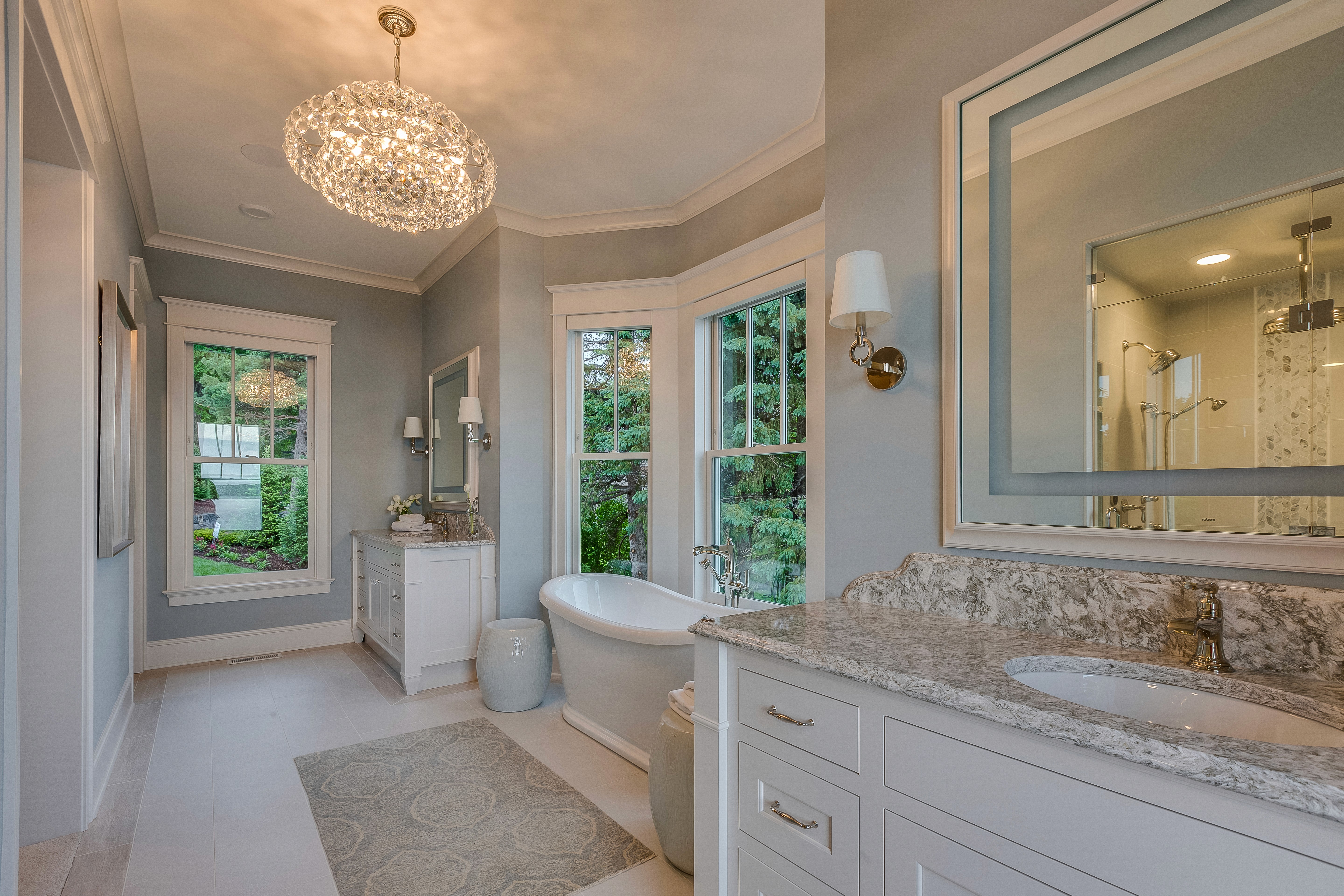
A larger walk-in shower
Double vanities
Custom cabinetry
Freestanding or built-in tubs
Heated flooring
Multiple shower fixtures
Improved lighting
Additional storage
Private toilet areas
Premium stone or tile
Custom glass enclosures
Changing the location of a shower, tub, toilet, or vanity can significantly increase the scope because plumbing, ventilation, framing, and electrical systems may need to be relocated.
High-End Custom Bathroom: $75,000–$125,000+
A luxury bathroom remodel is more than a replacement of existing fixtures. It is often a complete redesign of the room.
A high-end project may involve:
Reconfiguring the floor plan
Expanding into an adjoining closet or bedroom
Custom cabinetry and millwork
Natural stone slabs or detailed tilework
Curbless showers
Steam shower systems
Multiple shower heads and body sprays
Premium plumbing fixtures
Integrated lighting
Heated floors and towel warmers
Specialty mirrors and smart controls
Significant structural or mechanical work
At this level, the bathroom is designed as a personalized extension of the home rather than treated as a collection of individual products.
What Has the Greatest Effect on Bathroom Remodeling Cost?
1. Keeping or Changing the Existing Layout
Keeping plumbing fixtures in their existing locations is usually the most budget-conscious approach.
Moving a toilet, shower, tub, or vanity may require:
Opening walls and floors
Altering supply and drain lines
Reframing portions of the room
Moving electrical wiring
Adjusting heating or ventilation
Repairing adjacent finishes
A better layout can justify the added investment, but the decision should be made during design rather than after construction begins.
2. Tile Selection and Installation
Tile costs are affected by far more than the price per square foot.
The total also depends on:
Tile size and pattern
Surface preparation
Waterproofing
Shower niches and benches
Curbs and thresholds
Floor leveling
Edge details
Labor required for installation
Large-format tile can create a clean appearance with fewer grout lines, while mosaics and detailed patterns typically require more installation time. Natural stone may also require additional preparation, sealing, and maintenance.
3. Shower Design
A standard tub-and-shower combination generally costs less than a fully tiled custom shower.
A custom shower may include:
A site-built waterproofing system
Linear or center drains
A bench
Recessed niches
Frameless glass
Multiple plumbing fixtures
A curbless entrance
Steam equipment
Custom lighting
The shower is often one of the most technically demanding and expensive parts of the bathroom.
4. Vanity and Cabinetry
Bathroom cabinetry ranges from standard vanities to completely custom built-ins.
Cost considerations include:
Vanity size
Stock versus custom construction
Drawer and storage configuration
Countertop material
Sink style
Integrated electrical outlets
Linen cabinetry
Makeup or grooming stations
Thoughtful storage can substantially improve the room without necessarily increasing its footprint.
5. Plumbing Fixtures
Faucets, shower valves, tubs, toilets, and accessories are available at widely different price points.
Premium fixtures may offer better finishes, improved controls, more sophisticated shower functions, and a more refined appearance. They may also require additional plumbing components or installation labor.
Selections should be finalized early so the required valves, rough-in components, and dimensions are available before walls are closed.
6. Electrical, Lighting, and Ventilation
Older bathrooms frequently have insufficient lighting, limited outlets, or inadequate exhaust ventilation.
A renovation may include:
Recessed ceiling lights
Vanity sconces
Shower-rated lighting
GFCI-protected outlets
Dedicated circuits
Heated-floor controls
Improved exhaust fans
Illuminated mirrors
Additional switches or dimmers
Good lighting should support grooming tasks while still allowing the bathroom to feel comfortable and relaxing.
7. Hidden Conditions in Older Connecticut Homes
Connecticut has a large number of older houses, and opening bathroom walls can reveal conditions that were not visible beforehand.
Possible discoveries include:
Water-damaged framing
Improper previous renovations
Outdated plumbing
Insufficient electrical service
Poor ventilation
Unlevel floors
Inadequate insulation
Mold or moisture damage
A responsible budget should include a contingency rather than assuming every concealed condition will be perfect.
Do Bathroom Remodels Require Permits in Connecticut?
Permit requirements depend on the project and municipality.
A purely cosmetic update may not require a building permit. A substantial remodel commonly requires permits when it includes:
Plumbing changes
Electrical work
Structural modifications
New or relocated ventilation
Altered walls, doors, or windows
Changes to the room’s layout
Connecticut municipalities administer their own local permitting and inspection processes. Homeowners should confirm the requirements with the applicable building department before work begins.
A professional contractor should clearly explain which permits apply, who will obtain them, and which inspections will be required.
How Long Does a Bathroom Remodel Take?
The construction portion of a standard bathroom remodel often takes approximately:
Four to eight weeks
A larger or more customized primary bathroom may require:
Eight to twelve weeks or longer
The complete process also includes design, selections, ordering, permitting, and scheduling. From the initial planning stage through completion, homeowners should often allow several months.
Factors that may extend the schedule include:
Custom cabinetry
Specialty plumbing fixtures
Imported or back-ordered materials
Structural changes
Complex tile installation
Hidden damage
Permit or inspection timing
Changes made after construction begins
Starting design and product selections early is one of the best ways to create a predictable schedule.
How Can You Keep a Bathroom Remodel on Budget?
Finalize the Scope Before Construction
Determine whether the project is a cosmetic update, a full replacement, or a complete redesign. Unclear scope often leads to changing expectations and rising costs.
Select Materials Early
Tile, plumbing fixtures, cabinetry, lighting, and glass should be coordinated before construction reaches the installation stage.
Decide Where Customization Matters Most
Not every item needs to be the most expensive option. Many successful projects combine a few distinctive focal points with durable, understated supporting materials.
Avoid Unnecessary Plumbing Relocation
A new layout may be worth the expense when it meaningfully improves the room. Moving fixtures without a clear functional benefit can consume budget without adding equivalent value.
Include a Contingency
A contingency is especially important in older homes, where concealed plumbing, wiring, framing, and moisture conditions cannot always be confirmed in advance.
Work With an Experienced Team
Bathroom renovations require close coordination among carpenters, plumbers, electricians, tile installers, painters, glass fabricators, and inspectors. Proper planning and sequencing are essential to both quality and schedule.
Which Bathroom Improvements Offer the Most Everyday Value?
The most valuable features are not always the most elaborate.
Homeowners often benefit most from:
Better lighting
Improved ventilation
More functional storage
A larger and easier-to-use shower
Durable surfaces
Better circulation
Safer flooring
Comfortable heating
Fixtures selected for long-term use
For homeowners planning to remain in their home, wider shower entrances, low or curbless thresholds, blocking for future grab bars, and improved lighting can also make the room more comfortable over time without giving it an institutional appearance.
Final Thoughts
Bathroom remodeling costs in Connecticut vary widely because no two rooms, homes, or project scopes are exactly alike.
A limited cosmetic update may begin below $20,000, while complete guest and hallway bathrooms commonly require larger budgets. Primary bathrooms with custom tile, cabinetry, premium fixtures, and layout changes can reach $75,000 or considerably more.
The most successful projects begin with three things:
A clearly defined scope
A realistic budget
A coordinated design and construction plan
Rather than focusing only on individual product prices, homeowners should consider how layout, waterproofing, mechanical work, craftsmanship, and material selections come together as a complete project.
With thoughtful planning and quality execution, a remodeled bathroom can improve comfort, function, and enjoyment every day.
Planning a bathroom remodel in Connecticut?
Contact Casali Companies to discuss your space, design goals, preliminary budget, and the best next steps for your home.
Related