Improvement
Renovating an Older Connecticut Home? Here’s What to Expect.
-
Jack Casali
Introduction
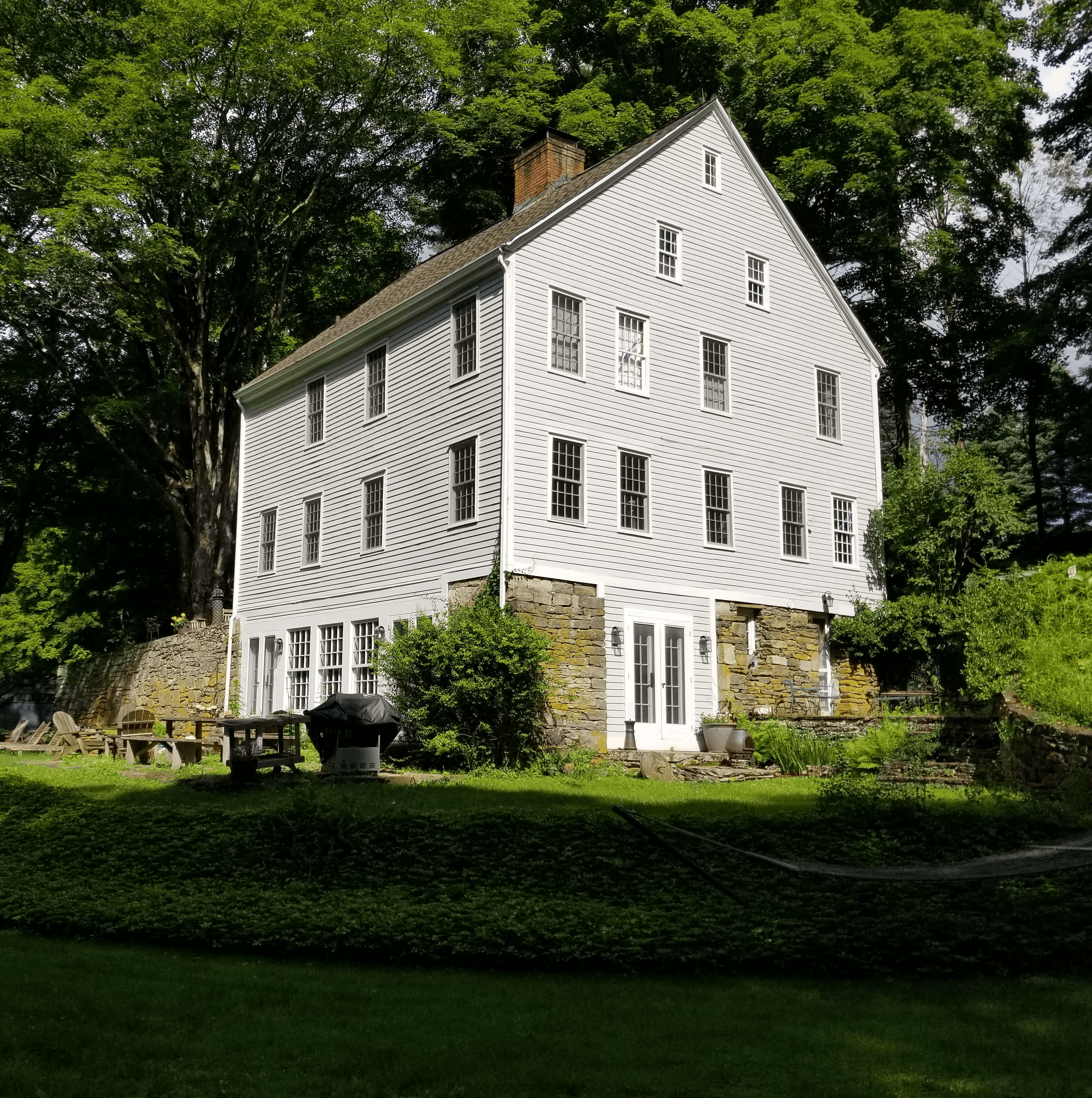
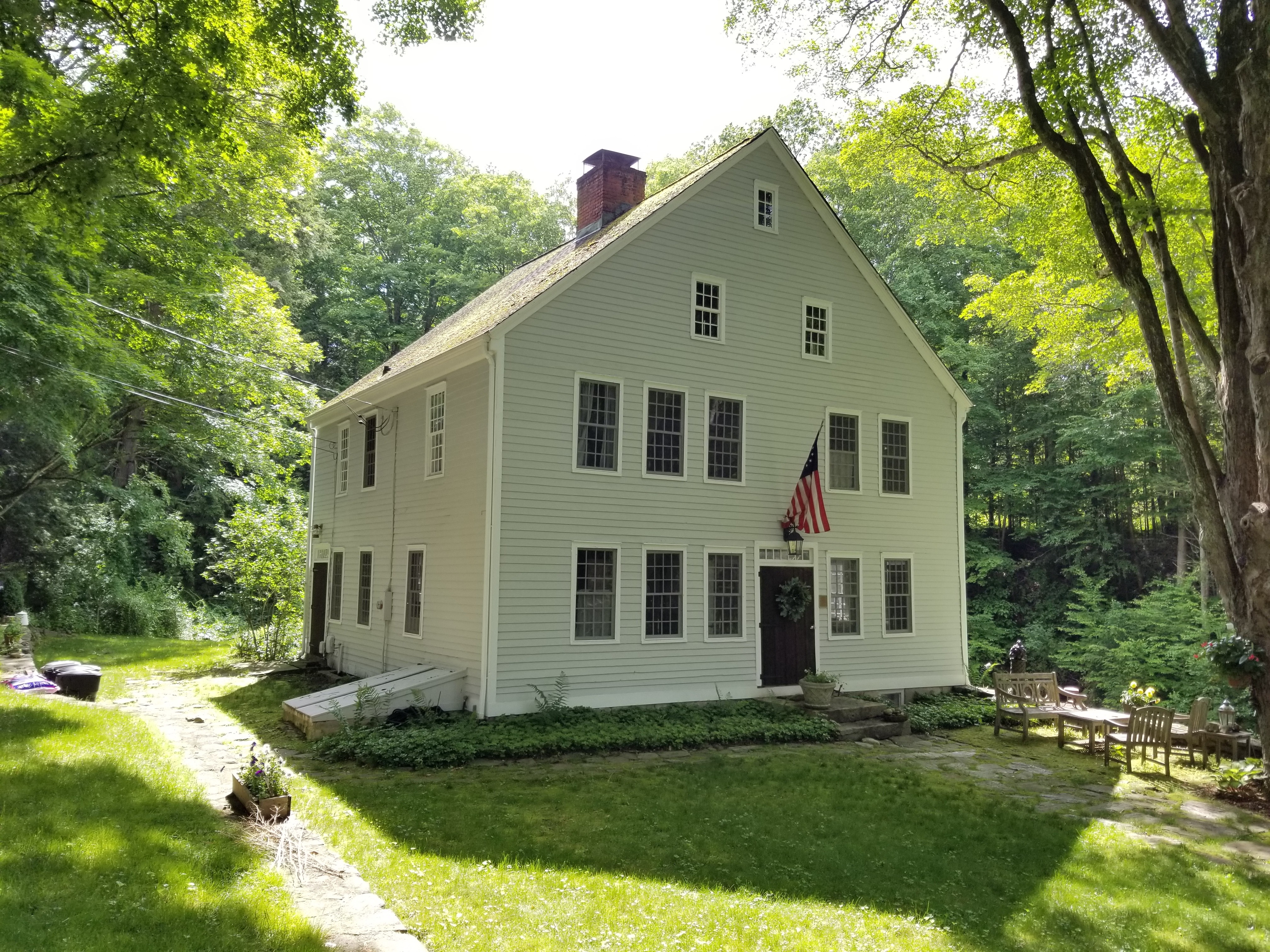
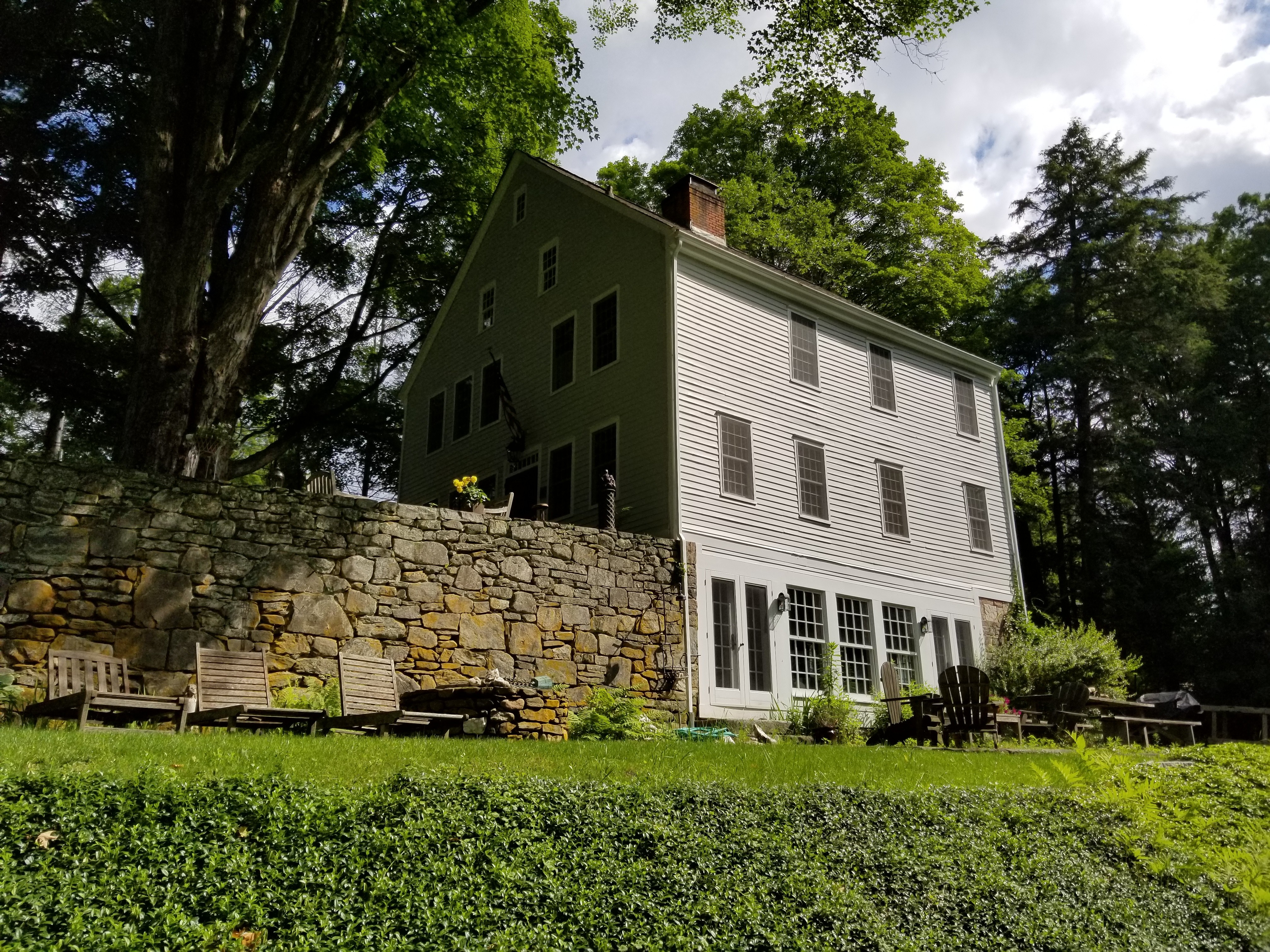
Connecticut is known for its historic homes, charming New England architecture, and neighborhoods filled with houses built decades — or even centuries — ago. While these homes offer timeless beauty and character, renovating them often involves unique challenges that modern homes simply don’t present.
If you’re preparing to update an older Connecticut home, here’s what you need to know before you get started — including common issues, realistic costs, and how to avoid the surprises that can quickly derail a project.
Common Issues Found in Older CT Homes
1. Outdated Electrical Systems
Many Connecticut homes built before the 1970s still contain:
Knob-and-tube wiring
60–100 amp service
Ungrounded outlets
Aluminum wiring
Bringing an older electrical system up to code is often essential for safety and insurance compliance.
What to expect:
Electrical upgrades can range from $3,000–$20,000+, depending on the age and size of the home.
2. Plumbing Problems
Older homes often include:
Galvanized steel pipes (prone to rust/clogs)
Old cast iron stacks
Limited water pressure
Undersized supply lines
Full or partial repiping may be required.
Typical cost:
$2,000–$15,000, depending on accessibility and scope.
3. Structural Surprises
Time, weather, and outdated framing practices can lead to hidden structural issues. Common problems include:
Sagging floors
Settling foundations
Undersized floor joists
Termite damage
Rotted sill plates
Out-of-level framing
Important: Any structural modification requires proper engineering in Connecticut.
Expect costs:
Anywhere from $5,000–$50,000+, depending on severity.
4. Asbestos & Lead Paint
Homes built before:
1978 → likely contain lead paint
1980 → may contain asbestos (floor tiles, insulation, siding, mastic, ducts, etc.)
Both require proper testing and licensed remediation if disturbed.
Cost ranges:
Lead remediation: $1,000–$15,000+
Asbestos removal: $1,500–$20,000+
5. Old Windows & Insulation
Classic wood windows and minimal insulation are common in older CT homes. While beautiful, they often result in:
Drafts
High heating bills
Poor energy efficiency
Upgrades (without hurting historical charm) are often worth the investment.
6. Inefficient Layouts
Many older homes have:
Small kitchens
Confined rooms
Closed-off hallways
No open floor plans
Renovations often include structural reconfiguration to create modern flow — which typically means removing load-bearing walls.
Realistic Costs to Renovate an Older Connecticut Home (2025)
Renovation Level | Typical CT Cost Range |
|---|---|
Cosmetic updates | $20,000–$75,000 |
Full kitchen renovation | $30,000–$70,000 |
Full bathroom renovation | $15,000–$40,000 |
Moderate whole-home renovation | $100,000–$250,000 |
Major historical/structural renovation | $250,000–$600,000+ |
Older homes cost more to renovate because they require:
Uncovering hidden issues
Custom framing
Structural engineering
Modernizing old systems
Higher labor skill for restoration work
Permits & Code Requirements in Connecticut
When renovating an older home, expect to need permits for:
Electrical upgrades
Plumbing changes
Structural modifications
Window/door size changes
Layout reconfigurations
Additions
Roofing structure changes
Insulation updates
Most CT towns enforce strict compliance with 2021/2022 building codes, even on older structures, meaning your renovation has to meet current standards.
How to Avoid Surprises During Renovation
1. Start with a thorough inspection
The earlier you identify structural or mechanical issues, the fewer unwanted surprises during construction.
2. Budget a 10–20% contingency
Older homes always uncover something unexpected — rot, wiring, framing issues, etc.
3. Hire a builder experienced with older CT homes
Many modern builders struggle with older houses. The right team makes all the difference.
4. Get architectural & structural plans
Especially for layout changes or additions, older homes require more planning.
5. Consider prioritizing energy efficiency
Air sealing, insulation, and window upgrades can dramatically improve comfort and reduce costs.
Benefits of Renovating an Older Connecticut Home
Despite the extra work, older CT homes come with major advantages:
Beautiful craftsmanship and character
Stronger framing & materials (often real lumber)
Timeless architecture
Large yards & mature neighborhoods
High resale demand
A well-done renovation can combine historic charm with modern comfort — increasing both enjoyment and long-term value.
Conclusion
Renovating an older Connecticut home isn’t always simple, but with the right planning and team, it can be one of the most rewarding projects you’ll undertake. From hidden structural surprises to code upgrades and layout improvements, understanding what to expect helps you budget wisely and avoid stress.
Whether you're restoring a 1920s colonial, transforming a mid-century home, or modernizing a 1970s raised ranch, Casali Companies is here to guide you through every step with clarity, craftsmanship, and experience.
Considering a renovation for your home?
Contact Casali Companies to discuss feasibility, design options, and construction planning.
Related