Improvement
Should You Remodel or Move? Why More Connecticut Homeowners Are Staying Put in 2026
-
Jim Casali, Sr.

Should You Remodel or Move? Why More Connecticut Homeowners Are Staying Put in 2026
When a home no longer fits your needs, moving may seem like the obvious solution. You can search for a larger kitchen, another bedroom, a better primary suite, more storage, or a property with space for entertaining.
In Connecticut’s 2026 housing market, however, moving is not always the simplest or most economical answer.
Home prices remain elevated in many towns, desirable properties can attract competition, and replacing an existing mortgage with a new loan may substantially increase monthly costs. These conditions are encouraging many homeowners to reconsider the potential of the property they already own.
Instead of asking, “Where should we move?” more families are beginning with a different question:
Could we remodel this home to give us what we need?
The answer depends on your property, finances, location, and long-term plans. Here is how to compare the two options thoughtfully.
Why Moving Has Become More Difficult
Moving involves much more than finding a house with the right number of bedrooms.
Homeowners must also consider:
The purchase price of the next home
Current mortgage rates
Real estate commissions and closing costs
Moving expenses
Necessary repairs or renovations after purchasing
Potential changes in property taxes
Competition for desirable properties
The possibility of leaving a preferred school district or community
A replacement home may still need an updated kitchen, renovated bathrooms, improved storage, or a better layout. Paying more for another property does not guarantee that it will solve every problem.
For homeowners who already have a favorable mortgage, significant equity, and a location they love, remodeling can offer a more controlled alternative.
The Location May Be the Hardest Thing to Replace
You can renovate a kitchen. You can add a bedroom. You can redesign a floor plan.
You cannot move your property to another street.
Many Connecticut homeowners have strong reasons to remain where they are:
Proximity to family and friends
A preferred school district
A manageable commute
Access to a lake, town center, or recreational area
A large or private lot
Established landscaping
Familiar neighbors and community connections
A mortgage payment that remains affordable
Before deciding to move, consider how difficult it would be to replace both the house and the location.
If the setting is right but the home needs improvement, remodeling may protect the part of the property you value most.
Remodeling Solves the Problems You Actually Have
Moving means choosing from the homes currently available. Remodeling allows you to create a solution around your specific needs.
That might mean:
Expanding a small kitchen
Opening disconnected living areas
Building a family-room addition
Creating a primary bedroom suite
Finishing an unused basement
Adding a mudroom and improved storage
Building a home office
Updating aging electrical, plumbing, or HVAC systems
Making the home more accessible
Creating better indoor-outdoor flow
A well-planned renovation does more than make a home look newer. It addresses the functional problems that affect daily life.
Popular Projects for Homeowners Choosing to Stay
Kitchen and Main-Level Renovations
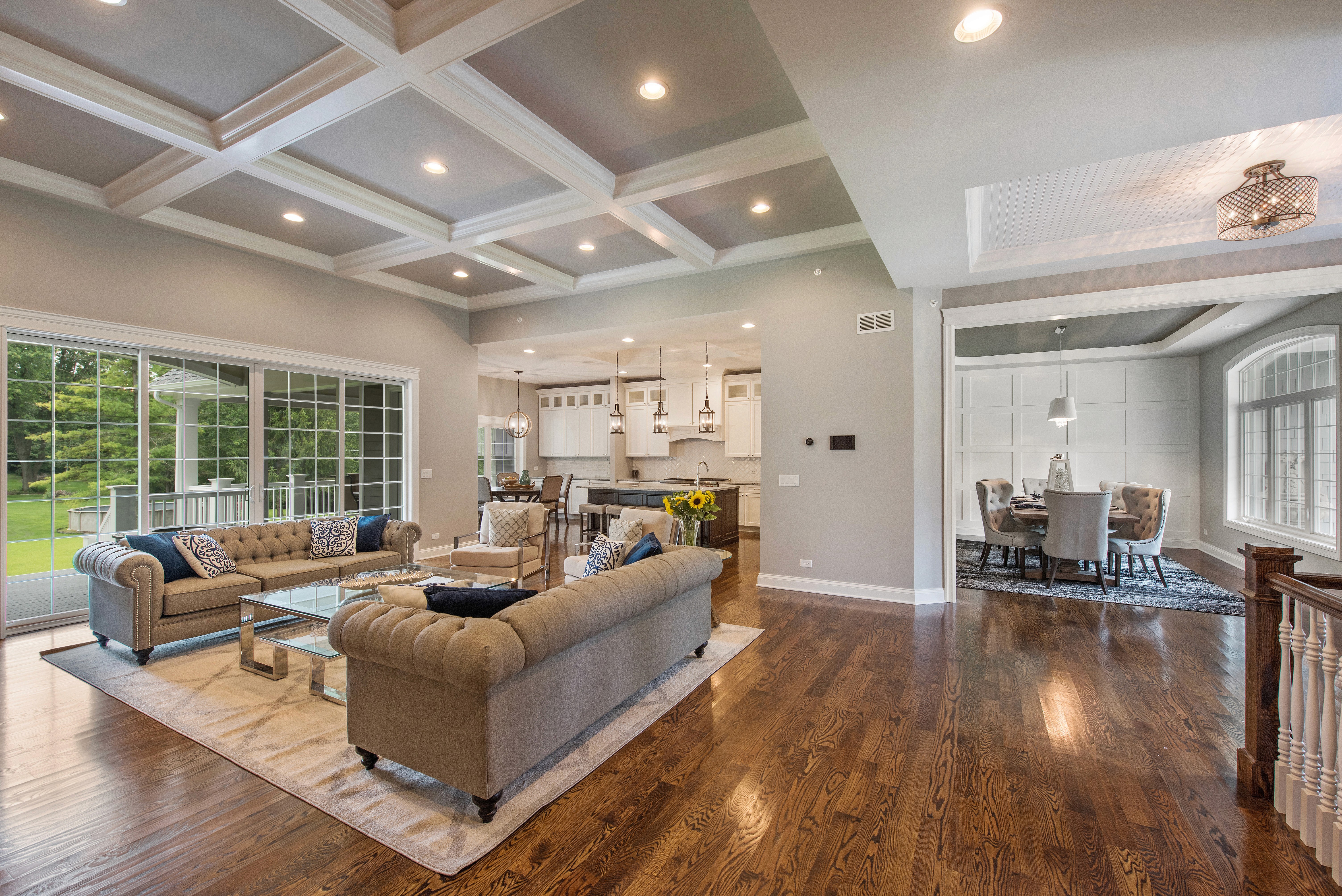
Older Connecticut homes frequently have smaller kitchens and divided living spaces. A main-level renovation can improve circulation, natural light, storage, and the relationship between the kitchen, dining room, and family room.
Depending on the home, this may involve removing or relocating walls, installing structural beams, redesigning the kitchen, replacing flooring, and updating mechanical systems.
Home Additions
An addition may be appropriate when the existing footprint cannot comfortably accommodate what the household needs.
Popular addition projects include:
Family rooms
Primary suites
Kitchen expansions
Mudrooms
Home offices
In-law accommodations
Second-story expansions
An addition allows homeowners to gain meaningful space without giving up their property or community.
Basement Conversions
An unfinished or underused basement may offer valuable space within the existing structure.
Depending on ceiling height, moisture conditions, egress, and utilities, a basement can become a family room, gym, office, guest suite, bedroom, bathroom, or entertainment area.
Primary Suite Renovations
Some homeowners do not need a larger house—they need a more functional private space.
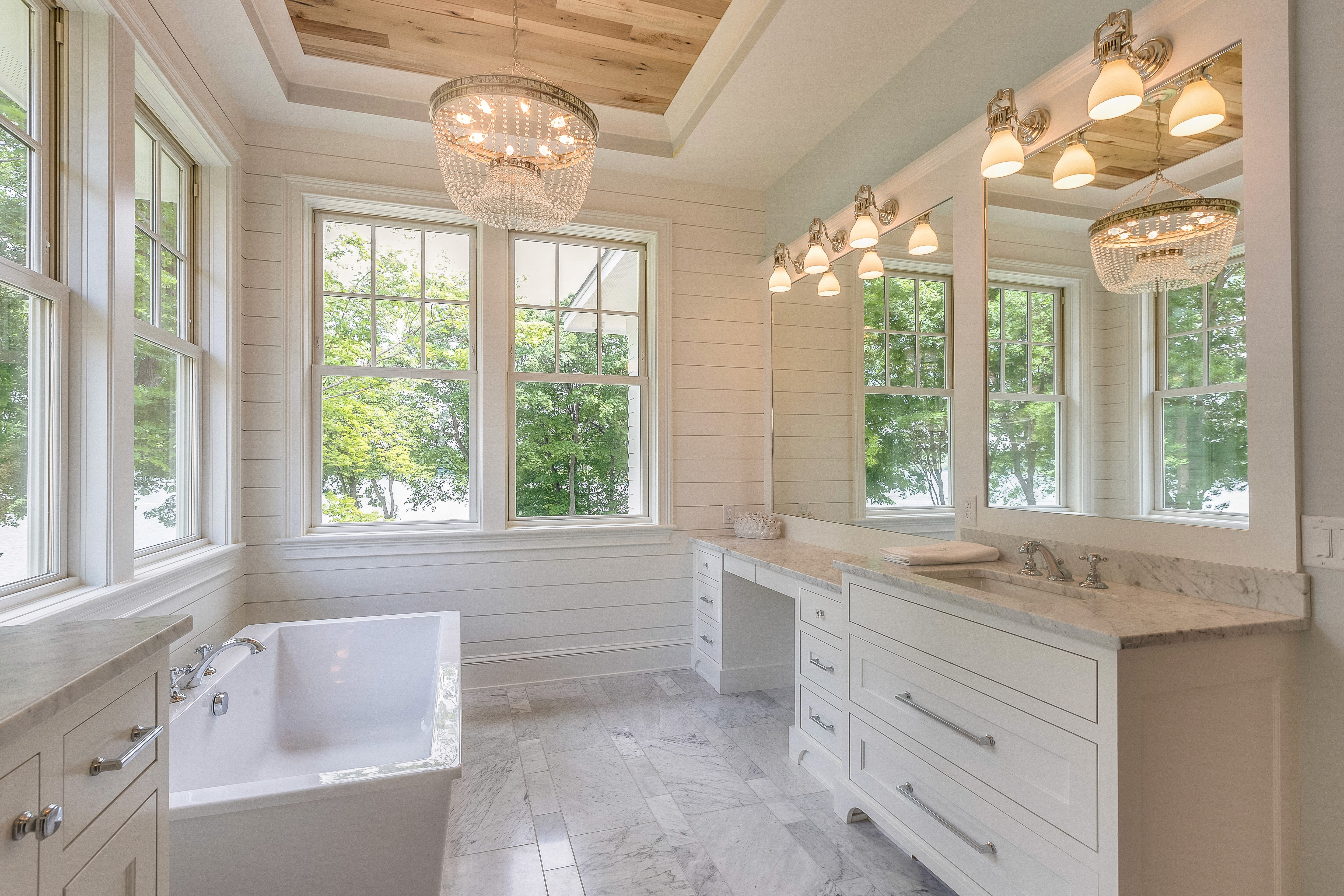
Combining or reconfiguring bedrooms may create room for a larger bathroom, improved closets, better lighting, and a more comfortable primary suite.
Aging-in-Place Improvements
Homeowners planning to remain in their property long-term may benefit from wider openings, improved lighting, first-floor living, safer bathrooms, reduced thresholds, better storage, and more accessible entrances.
These features can be integrated attractively without making the home feel clinical or institutional.
Is Remodeling Always Less Expensive Than Moving?
Not necessarily.
A substantial addition or whole-home renovation can require a significant investment. Structural work, utilities, site conditions, design, permits, and finishes all affect the final cost.
The better comparison is not:
Renovation cost versus the price of another house.
It is:
The complete cost of renovating versus the complete cost of selling, purchasing, moving, and improving another property.
A realistic moving budget may include:
Preparing the current home for sale
Real estate commissions
Attorney and closing expenses
Mortgage-related costs
Moving and storage
Immediate repairs
New furniture or window treatments
Renovations needed in the replacement home
A realistic renovation budget should include:
Architectural design
Engineering
Permits and approvals
Construction
Fixtures and finishes
Temporary living arrangements, if needed
A contingency for concealed conditions
Comparing complete budgets provides a much clearer answer than comparing only the obvious expenses.
When Remodeling May Be the Better Choice
Remodeling deserves serious consideration when:
You enjoy your neighborhood and property
Your home has a sound foundation and structure
The needed improvements are feasible under local zoning
You have meaningful equity in the property
Your current mortgage is favorable
The project will support your needs for many years
Comparable replacement homes are difficult to find
The home has character or features worth preserving
In these situations, a well-designed renovation may create a home that is difficult to find on the open market.
When Moving May Make More Sense
Moving may be the better option when:
You no longer want to remain in the town or neighborhood
Your lot cannot accommodate the desired improvements
Zoning, septic, wetlands, or setbacks severely limit expansion
The home requires extensive structural and mechanical correction
The finished property would be substantially over-improved for its location
Your household needs a fundamentally different type of property
The renovation would require compromises that do not solve the underlying problem
A responsible builder or designer should be willing to explain when a proposed project is impractical—not simply encourage construction.
Consider the Condition of the Existing Home
Connecticut has many older Colonials, Capes, farmhouses, ranches, and raised ranches. These homes often offer strong renovation potential, but they can also contain concealed conditions.
Before planning a major remodel, evaluate:
Foundation condition
Structural framing
Roof age
Electrical capacity
Plumbing condition
HVAC systems
Insulation and air sealing
Water or drainage issues
Septic capacity
Hazardous materials in older finishes
Previous unpermitted work
Identifying these conditions early creates a more reliable project scope and budget.
Zoning Can Change the Decision
Local zoning requirements can determine whether a renovation or addition is feasible.
Important considerations may include:
Front, side, and rear setbacks
Maximum lot coverage
Building height
Wetlands and watercourse buffers
Septic requirements
Flood or coastal zones
Historic district review
Existing nonconforming structures
Some older homes occupy locations or footprints that would not be permitted under current zoning rules. Altering or rebuilding those structures may require additional review.
A zoning and site-feasibility evaluation should happen before investing heavily in design.
How to Make the Decision
1. Define What Is Not Working
Identify the actual problems rather than beginning with a specific construction solution.
Do you need more square footage, or would a better layout solve the problem? Do you need another bedroom, or simply more privacy and storage?
2. Determine What You Value About the Property
Make a list of the things you would lose by moving, including location, lot size, views, schools, community, mortgage terms, and existing improvements.
3. Evaluate Renovation Feasibility
Review zoning, structure, utilities, site access, septic capacity, and potential project costs.
4. Research Real Replacement Homes
Look at properties you would genuinely consider purchasing—not just broad online averages. Account for any work those homes would still require.
5. Compare Complete Financial Scenarios
Estimate both options honestly, including transaction expenses, financing costs, construction costs, and contingencies.
6. Consider the Next Ten Years
A project that only solves today’s problem may not be the right investment. Think about future children, aging parents, remote work, accessibility, maintenance, and eventual resale.
The Value of Planning Before Construction
Homeowners do not need to commit to a complete renovation before investigating what is possible.
An early feasibility and design phase can help determine:
Which improvements fit the property
Whether an addition is necessary
What zoning constraints apply
Which structural changes may be required
A preliminary construction budget
Whether the proposed investment makes sense
This planning may confirm that remodeling is the right choice—or reveal that moving would be more practical.
Either outcome is valuable when it prevents a costly mistake.
Final Thoughts
In 2026, many Connecticut homeowners are discovering that the home they need may be possible within the property they already own.
Remodeling can preserve a valued location, improve everyday function, and create a home tailored to the household. Moving can still be the right answer when the location, property, or underlying structure no longer supports long-term goals.
The decision should not be based solely on current home prices or the initial cost of construction. It should account for location, financing, feasibility, lifestyle, and the full cost of both choices.
With a realistic evaluation and thoughtful planning, homeowners can decide whether to improve their current home or begin somewhere new—with much greater confidence.
Trying to decide whether to remodel or move?
Casali Companies can help you evaluate your Connecticut property, identify practical renovation options, and understand the design, zoning, and budget considerations before you commit.
Related