Decisions
ADU vs. Home Addition — Which Is Better in Connecticut?
-
Jack Casali
Introduction
With rising home prices and limited housing inventory across Connecticut, many homeowners are choosing to expand their existing property rather than move. Two of the most popular options are building a traditional home addition or creating an Accessory Dwelling Unit (ADU).
While both add space and value, they serve very different purposes. Understanding the pros, cons, costs, and zoning considerations of each option is key to choosing the right solution for your home, budget, and long-term goals.
This guide breaks down ADUs vs. home additions specifically for Connecticut homeowners.
What’s the Difference?
Home Addition
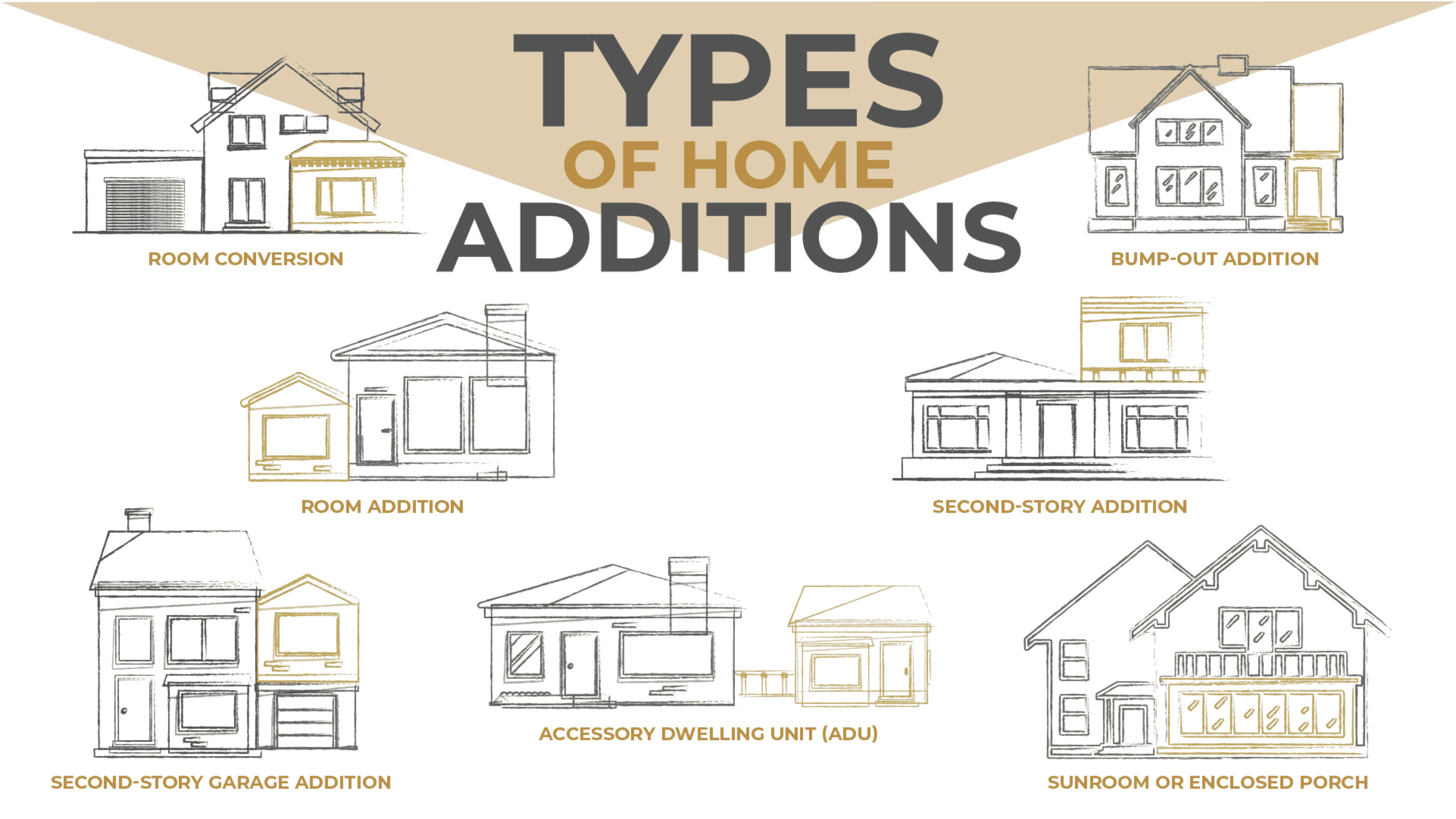
A home addition expands the existing living space of your primary residence. It is fully integrated into the home and shares utilities, entrances, and living areas.
Common examples:
Family room additions
Kitchen expansions
Second-story additions
Primary suite additions
Accessory Dwelling Unit (ADU)
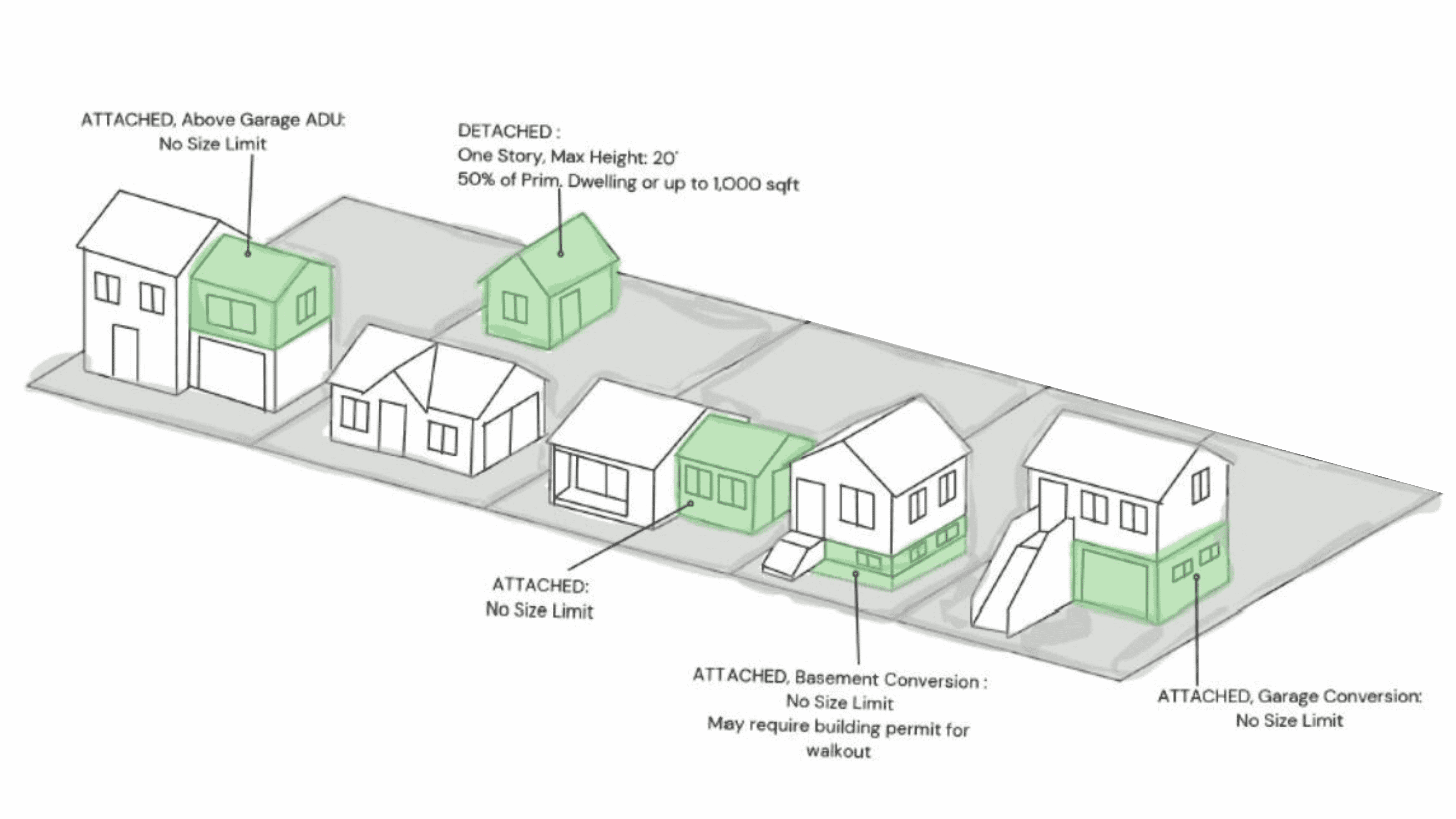
An ADU is a separate, self-contained living unit located on the same property as the main home. It includes its own kitchen, bathroom, and living space.
Common examples:
Detached backyard cottages
Garage apartments
Basement apartments
Attached ADU additions with separate entrances
Cost Comparison in Connecticut (2025)
Home Addition Costs
Typical range: $150 – $350+ per square foot
Total cost: $75,000 – $250,000+
Larger additions scale more efficiently per square foot
ADU Costs
Typical range: $300 – $600+ per square foot
Total cost: $150,000 – $350,000+
Smaller footprint = higher cost per square foot
Key takeaway:
Home additions are usually less expensive overall if your only goal is to gain space. ADUs cost more per square foot but offer greater flexibility.
Zoning & Permitting Differences in Connecticut
Home Additions
Generally allowed in residential zones
Zoning setbacks and lot coverage apply
Permits are straightforward in most towns
Rarely require special approvals (outside historic/coastal zones)
ADUs
Zoning rules vary significantly by town
Some towns allow ADUs by right; others require special permits
Parking, owner-occupancy, septic, and size limits apply
Historic districts may require additional review
Key takeaway:
Home additions are usually easier to approve. ADUs require more upfront zoning research.
Use-Case Comparison: Which Fits Your Needs?
Choose a Home Addition If You:
Want more space for your own household
Prefer a seamless, integrated layout
Don’t need a separate living unit
Want a simpler approval process
Are expanding kitchens, living rooms, or bedrooms
Home additions are ideal for families who plan to stay long-term and want their home to function as a single residence.
Choose an ADU If You:
Need space for aging parents or adult children
Want rental income potential
Need flexibility for future use
Want to downsize while staying on your property
Are thinking long-term about resale versatility
ADUs are ideal when privacy, independence, or income is part of the equation.

Privacy & Lifestyle Considerations
Home Addition
Shared entrances and living areas
No separation between households
Feels like a natural extension of the home
ADU
Separate entrances and utilities (often)
Increased privacy for occupants
Can feel like a second home on the property
Resale & Long-Term Value
Home Additions
Increase square footage and market value
Appeal to traditional buyers
Simpler resale process
ADUs
Attract multi-generational buyers
Offer income potential
Can differentiate your property in competitive markets
In Connecticut, ADUs often add functional value more than raw square footage value.
Maintenance & Ongoing Costs
Home Addition
Maintained as part of the main home
Single utility systems
Lower complexity
ADU
Separate systems may require more upkeep
Potential landlord responsibilities if rented
Higher long-term operational considerations
Historic & Coastal Properties
For homes in:
Historic districts
Coastal zones
Wetlands or flood zones
Home additions are often easier to approve than detached ADUs. In these cases, internal ADUs or attached additions may be the most realistic compromise.
Which Option Is Better in Connecticut?
There’s no one-size-fits-all answer.
Home additions are better when:
You simply need more space
Budget efficiency is a priority
You want fewer zoning hurdles
ADUs are better when:
You need independent living space
Rental income or flexibility matters
Long-term housing strategy is the goal
The best solution depends on your property, town regulations, budget, and future plans.
How to Decide the Right Way
Before committing to either option, homeowners should:
Confirm zoning feasibility
Evaluate septic or utility capacity
Define how the space will be used today and in the future
Compare total costs—not just square footage
Work with a builder experienced in both ADUs and additions
Conclusion
In Connecticut’s evolving housing landscape, both ADUs and home additions offer smart alternatives to moving. A traditional addition provides seamless space at a lower cost, while an ADU delivers unmatched flexibility and long-term versatility.
At Casali Companies, we help homeowners evaluate both options, navigate local regulations, and design solutions that align with real-world needs—not just trends.
Not sure which option is right for your property?
Contact Casali Companies to explore feasibility, costs, and design options tailored to your home and town.
Related